Interview with KILLCODE vocalist Tom Morrissey – 05/14/2026
visit the band on www.KILLCODE.net
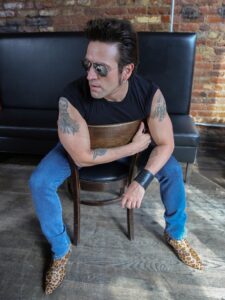
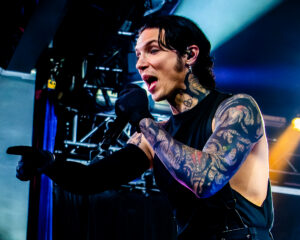
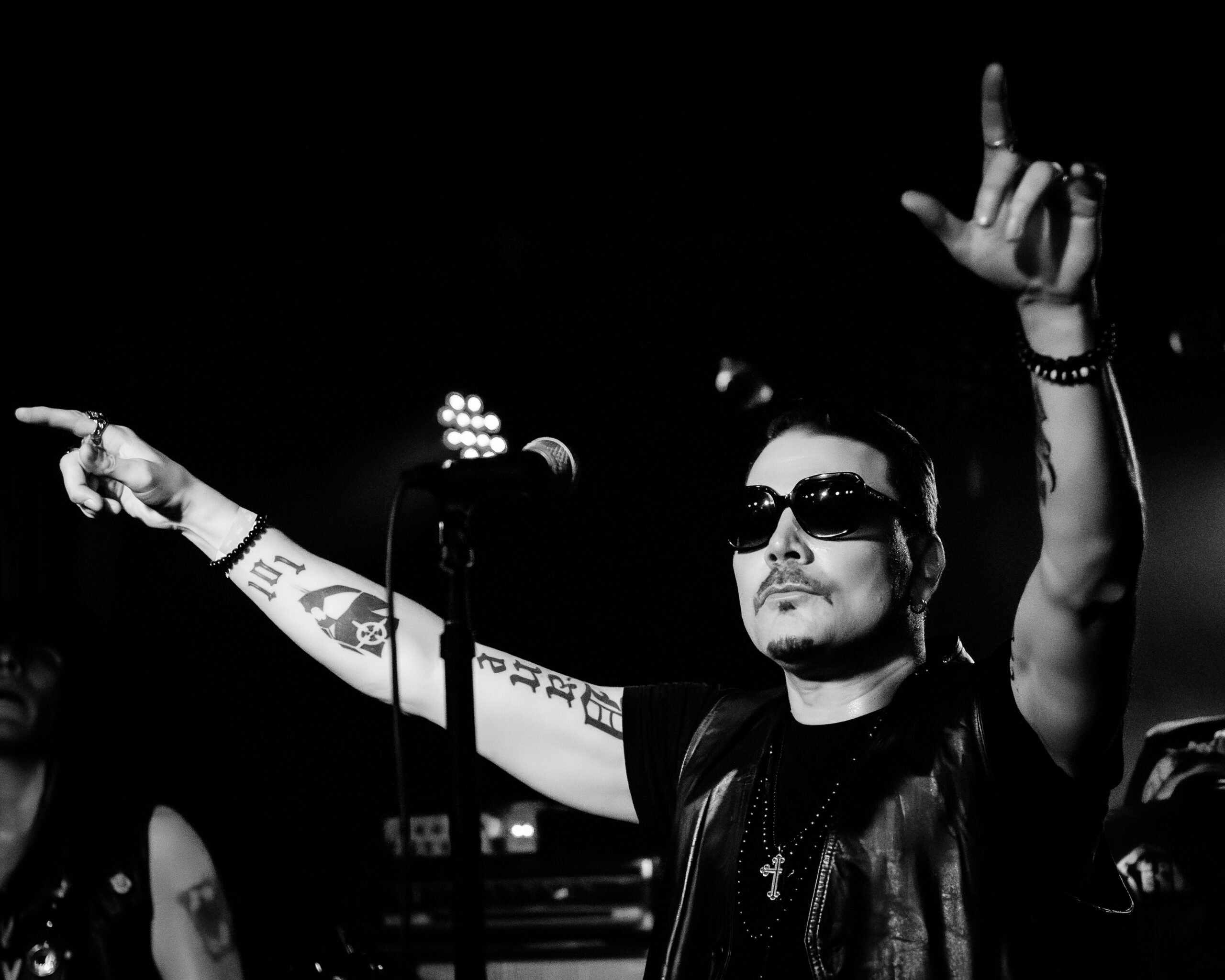
Few bands represent the grit and persistence of the New York hard rock scene quite like KILLCODE. Built on a mix of straight-ahead rock, metal muscle, street-level energy, and unexpected influences ranging from hip-hop to classic R&B, the band has spent the last 15 years carving out its own lane while sharing stages with legends like Aerosmith, Twisted Sister, and KISS. Ahead of upcoming shows and work on a new album, Stage Rush Music caught up with vocalist Tom Morrissey to talk about the band’s origins, songwriting process, blending rock with hip-hop influences, life in the changing New York music scene, and the importance of staying connected to fans the old-school way.
Stage Rush Music (SRM): Hey, Tom.
Tom Morrissey: Hey, what’s up, Jared?
SRM: All good. I appreciate you doing this interview.
Tom Morrissey: No, appreciate that. Thank you for asking.
SRM: Figured I’d reach out to you guys, I’ve been following the band for a long time, and uh…
Tom Morrissey: Appreciate it, brother. Thank you.
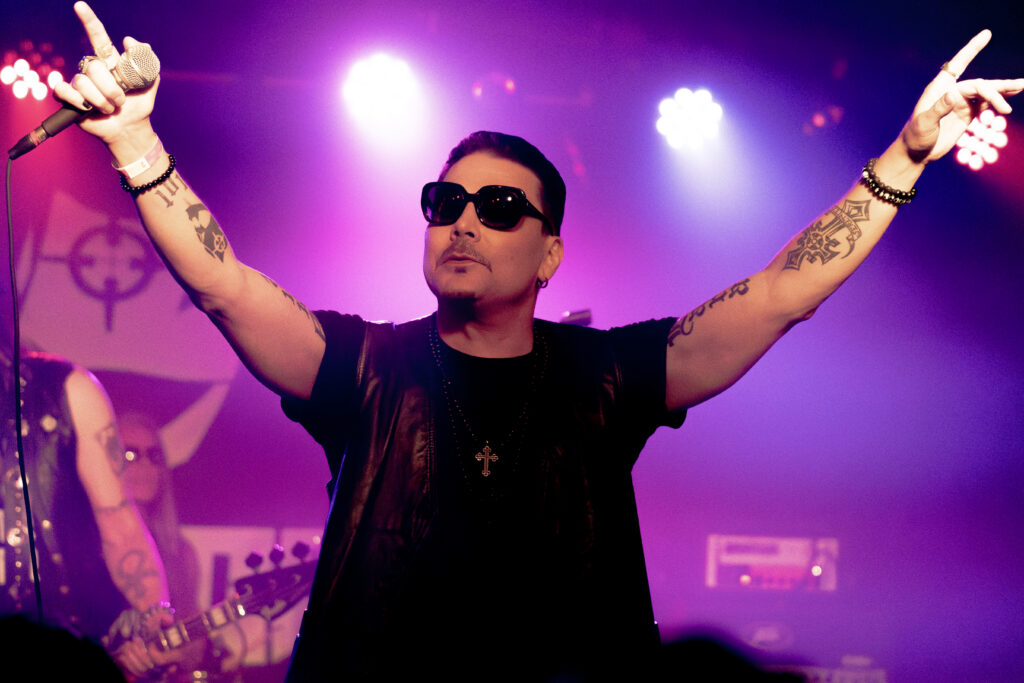
SRM: I’ve known you for awhile, but for any readers of the website that may not know who you are can you describe the style of music that you play and what they may expect to see if they’re coming to their first KILLCODE show.
Tom Morrissey: All right. Well, first and foremost, we’re a rock band. I would say pretty straight ahead, but with some metal influences. Early on, we had a really strong Southern influence, which we still do, but we’ve gotten a little away from that over the years. We’re a little mix of everything, which you might know even recently, we mixed some hip-hop into it. I would just say a melodic, high-energy rock band that has harder edge, but then we are also known to do a ballad here and there, so, you know…we’re an amalgamation of what all our influences are.
SRM: Okay. So…I was gonna ask you about influences. So growing up, who were you listening to?
Tom Morrissey: Me personally, like when I’m growing up in New York City and stuff, hip hop was kind of first and foremost, but I had my parents at home who listened to my mother’s Puerto Rican Latin music. My dad was into classic rock and R&B and James Brown. So just basically a mix of everything, you know. I was, I was exposed to rock, I was exposed to hip-hop, and then my bandmates, the same thing, pretty much. Some of them lean a little more towards metal. But we all pretty much got similar interests.
SRM: Are there any bands that you saw way back when that made you think that’s what I want to do?
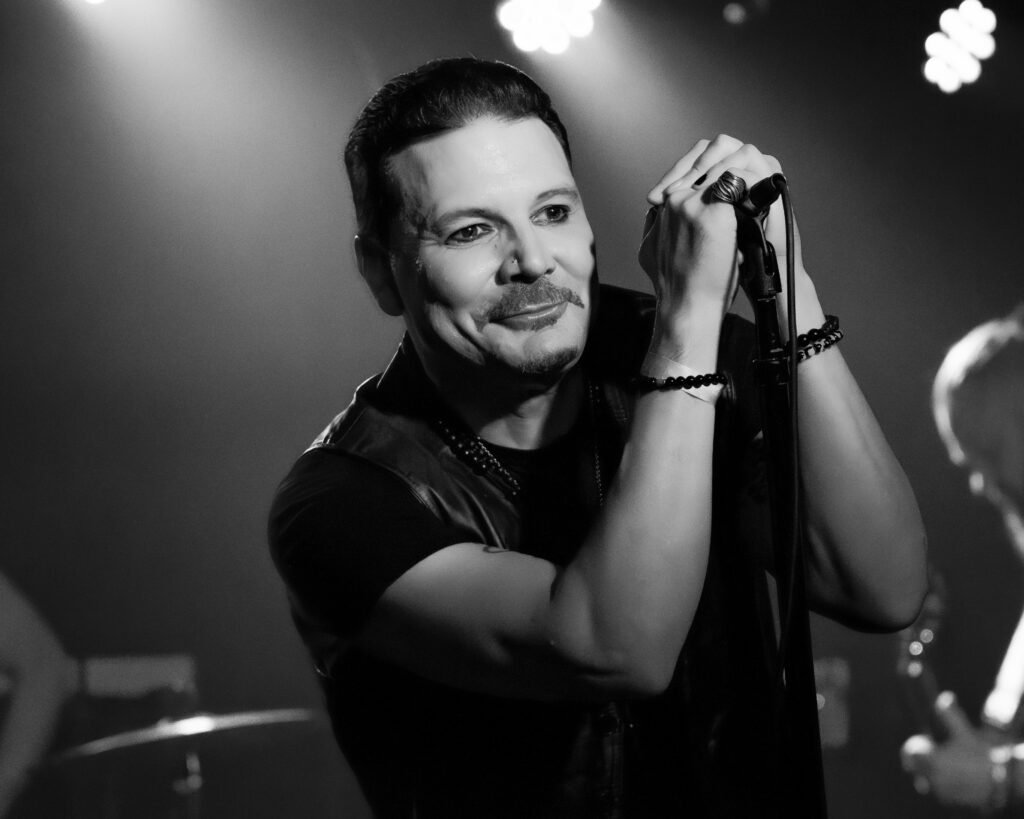
Tom Morrissey: Yeah, the obvious ones like Zeppelin and Sabbath, and I personally love The Who. I also, for sense of melody and songwriting, the Beach Boys, you know, you can’t get much better than that.
SRM: No.
Tom Morrissey: Like, growing up around my mother she loved Neil Diamond and Kenny Rogers and stuff like that, which, again, as a singer, you know, was a great influence for me. Yeah.
SRM: So when did you start playing music? When did you think that this was it?
Tom Morrissey: I started singing in grammar school. I went to Catholic school. I was the lead in the choir. Uh, that’s why I started singing. Didn’t really realize or think about it being something I’d be doing later on, but it definitely came in handy. Also I was the drum corps leader in grammar school as well. And then in high school, I didn’t do too much, you know, other than just maybe get up on stage in a cover band. And when I graduated high school that is when I started to think about being in a band.
SRM: So when did KILLCODE all come together? You know, what were the beginnings?
Tom Morrissey: Now, I mean, there’s been different incarnations. When I met Chas 15 years ago, is when we started the idea, roughly. DC joined in 2017, I think it was, or 16. And then Bobby Flores, who’s the bass, joined. right before Covid. Bad timing for him. But yeah, I mean altogether me and Chas about 15 years ago. It’s been a run.
SRM: So is that the current lineup?
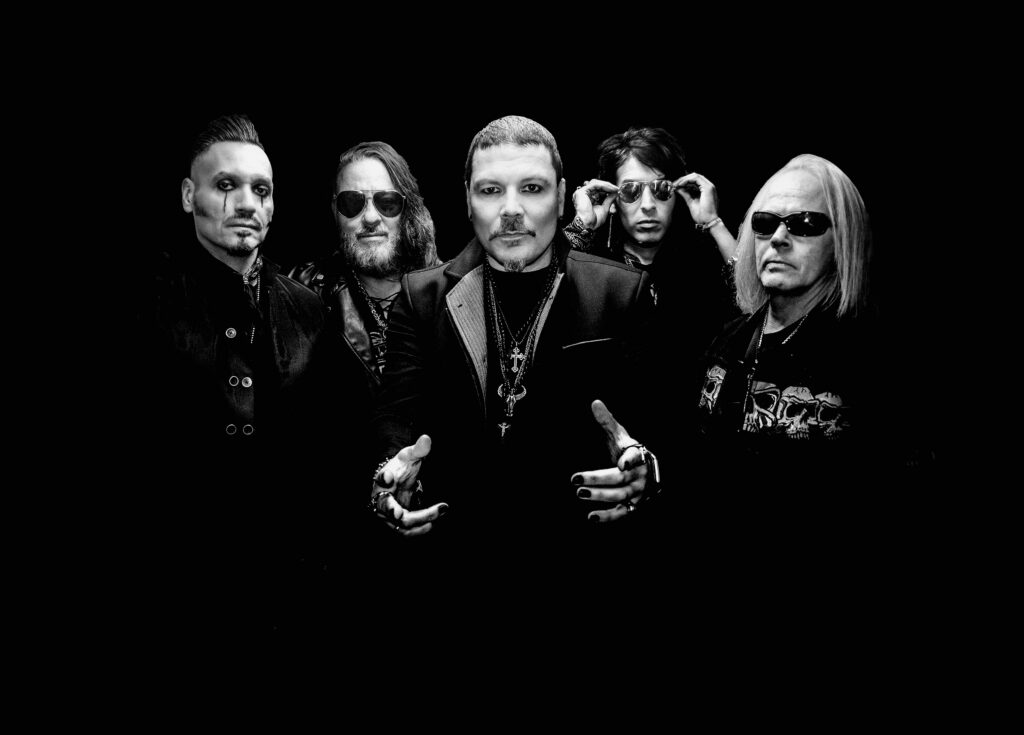
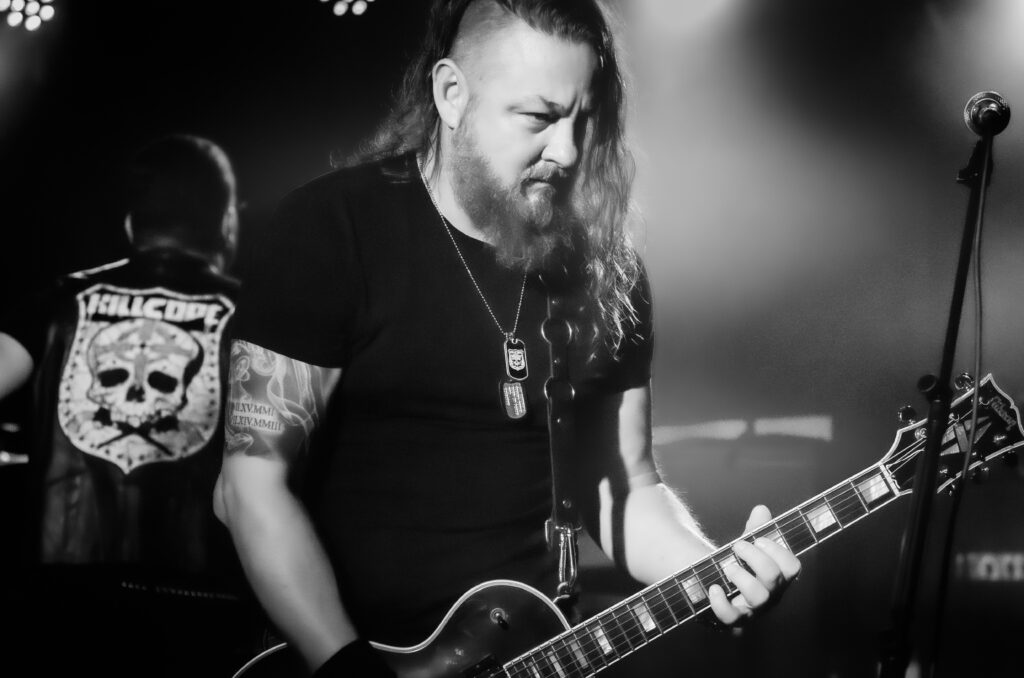
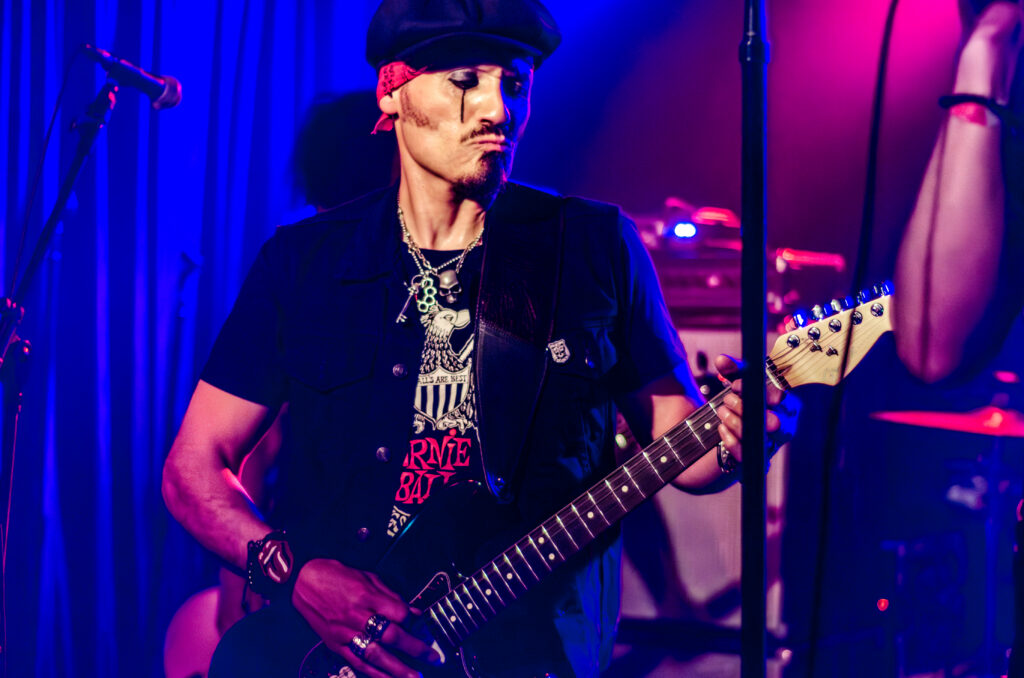
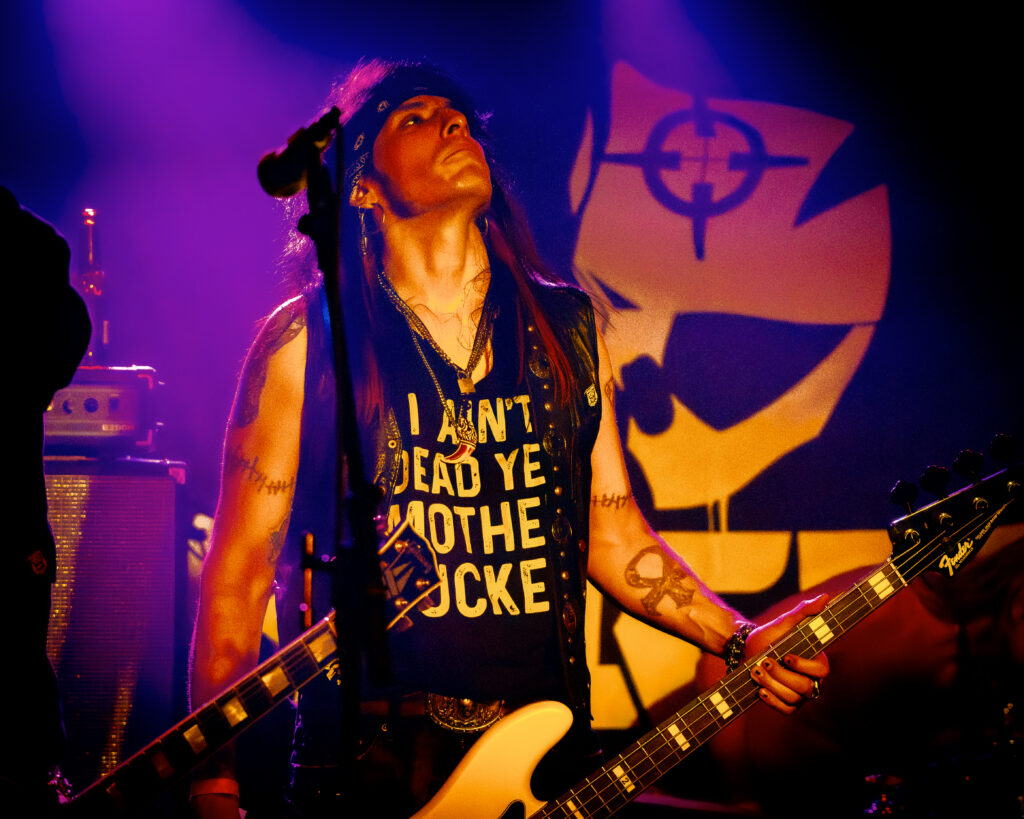
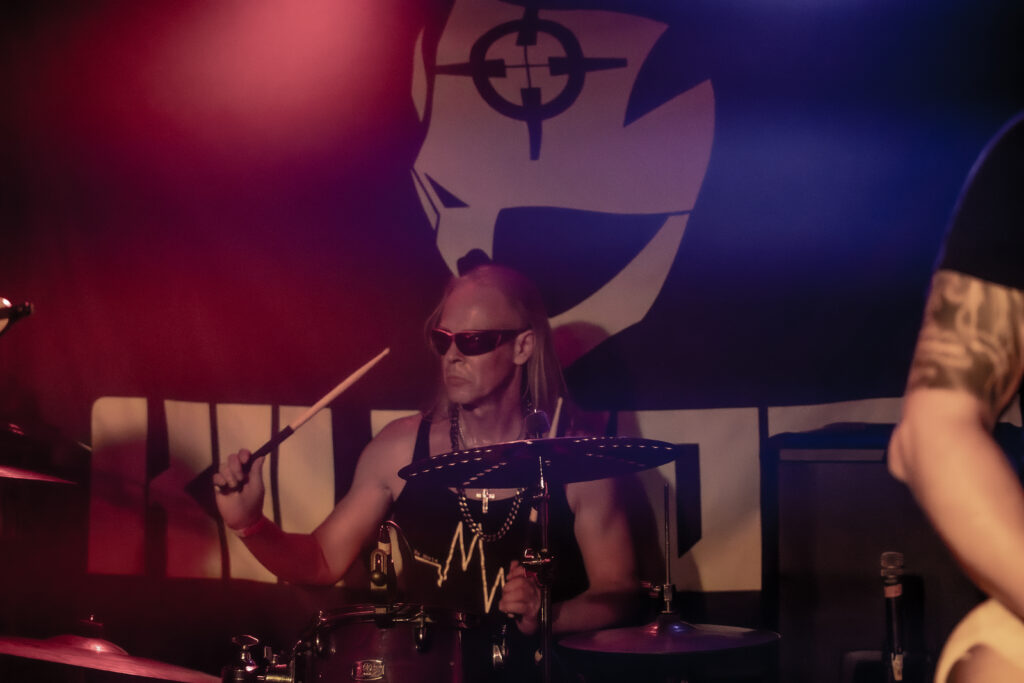
Tom Morrissey: Yes, it’s Chas, myself, DC Gonzalez, Bobby Flores, and Rob Noxious on drums. Pat Harrington was the first guitar player that shared the stage with Chas and we’re still good friends with Pat. Pat’s in some really cool bands, too. Like Geezer, I don’t know if you’re familiar with them. It’s a good stoner band.
SRM: Yeah, I listen to everything.
Tom Morrissey: Yeah. Good, great stoner rock. I love it.
SRM: Dive into a little bit what your writing process is, and maybe if it’s changed a over the years, as members got more comfortable with each other.
Tom Morrissey: Sure. It started off with me and Chas. And overall, it’s pretty much a collaborative process with the bandmates. Sometimes… it begins with a piece of music, or a melody idea, and then whoever it is adds to it. And usually it’s sort of, I would say, like Close to 40, 40, and then the other band had to add to it. But the way I look at it, even, like, some people don’t consider drummers writers. But, sometimes the things that Rob Noxious just decides to play makes the song, so to me, it’s equally as important. And we also split everything equally we think that’s the best way and the fair way.
SRM: Yep. Cool.
Tom Morrissey: But yeah, I’ll start off with a riff from Chas, or a riff from DC. I usually… I write about 90% of the lyrics and melodies, but I’m always open to everybody to say, you know, that sucks, or do this better, or I don’t like that. And vice versa with the music as well. I also contribute musical parts and drum parts and stuff like that.
SRM: Do the songs ever change drastically once you get into a studio?
Tom Morrissey: Yes… well, I wouldn’t say always, but yes, it does, and that’s hopefully the goal sometimes, that it, you know, comes to life in the studio. You also have more opportunity to do production work and, you know, overdubs and things like that, which we’re a fan of, usually. Sometimes stripped down is cool, too.
SRM: Uh-huh.
Tom Morrissey: But yeah, sometimes it’s the opposite, but I would say more so they come to life in the studio. And then eventually, the final stage is when we play after the studio on stage. It grows there as well.
SRM: So in the studio, are you playing it live together, or are you recording it individually?
Tom Morrissey: For the most part, yeah. Vocals, I usually do overdubs later, but they’re our last single, actually One Trick Pony (OTP), I did the vocals. We did all that live, like, pretty much. I did a couple harmonies in Overdubs, but that actually was live.
SRM: Right. So tell me about the remix. And obviously it’s a….
Tom Morrissey: Departure? Well, I mean, I also rap a little bit in some of my other songs, so it’s not that far of a departure. But I mean, the way it happened was Johnny Juice, the DJ for Public Enemy was playing in a side project called My World with my drummer, Rob Noxious. Another really cool band. And at the time, if I remember correctly, our single prior to OTP Ride, which was recorded and produced by Joey Z from Life of Agony, had just come out. So I knew they were playing, and I’m a huge Public Enemy fan. And I just all wrote him off in my head, so this is a good opportunity for me to maybe get him to do a remix, because I’ve always wanted to do a remix of KILLCODE, and whether it be dance or hip-hop or something, because I like that idea of expanding the audience, and uh… gave it to him. Didn’t really hear anything for almost a year. And it was something that I was almost… felt awkward asking, so I didn’t push it, and I just waited, and then…he came along, said, here it goes, and sent it to our label, and they loved it, and then that was it from there. And we plan to do some more with them, too, because now we found that we have a little thing going on, so…
SRM: Yeah, I mean, if you can get that kind of crossover, it’s amazing.
Tom Morrissey: Totally, totally, exactly, yeah.
SRM: Yeah, I mean, I don’t know what you know about my history, but I went to NYU and I…lived in the dormitory with Rick Rubin when he was starting Def Jam.
Tom Morrissey: Oh, yeah, yeah, actually, I did. I did remember seeing a picture of something you posted on social media, older picture like that. But yeah, so so you you come from the same world.
SRM: So…we worked at the front desk of the dormitory together, and he would just play music and I was… lucky to, you know, to hang out on occasion with members of Beastie Boys and LL Cool J, and um…Russell Simmons and George Drakoulias.
Tom Morrissey: Yeah, the Beastie Boys were one of my faves. The bucket list gig that I did with my band prior to KILLCODE was with Beastie Boys, and that was awesome.
SRM: Oh, that must have been amazing.
Tom Morrissey: Yep.
SRM: But his whole thing back then, Rick Rubin, was…was looking for a way to combine hip-hop rap with metal.
Tom Morrissey: Right.
SRM: And obviously he did it with Walk This Way (Run DMC with Aerosmith).
Tom Morrissey: Totally, totally.
SRM: Um, but, you know, I thought he was crazy, because I was a… a pure metalhead at the time, and…
Tom Morrissey: Right. Not for everybody, not for everybody. Some people still like, oh, you guys are doing hip hop now. I’m like, we do anything that sounds good.
SRM: Yes. when it works, it works, you know? And so I think it’s great. So, do you have a full-length album coming out at any time soon?
Tom Morrissey: Coming up, well, like you mentioned last month or two, we just released a remix. We’re in the process of writing the new album. We’re working with the producer who did OTP, Jabbath Roa, who’s doing our label, Mother West, and I would say we’ll probably be ready. We have shows up until August, and we’ll probably start early August recording the new album. We have our June 12th at Dingbats with Spread Eagle. It’s their CD release party as well. Then we’re playing Queens Rockfest June 20th. And then we’re doing one of Tommy London’s $5 Rock Show. He’s coming back to New York City on the…24th. And then we’re hitting it July 9th, lucky 13 in Brooklyn. We’re doing it with a band called The Compulsions, a friend of ours who are good, good friends of ours.
SRM: I wanted to ask you about your videos because. You guys seem to come up with some cool concepts, and…they always seem really…high quality. And I was curious, is that the direction of somebody that you bring in, or are you guiding the creative?
Tom Morrissey: Well, it’s the silent member of the band. His name is David Swajeski, director, who we met when Pat was still in the band. Actually, it was our 1st video we did with him, and he’s done all of our videos up until the last one, done by another good friend, but all the other videos that we’ve done have been with him. We met him. We did a song for his documentary called Dressed and he loved it. We loved it. It was the 1st time I got to see my music or hear my music rather on the big screen. So that was cool. But he did the video for that. And then we loved the concept is a team effort, but I will say the majority of everything’s coming from him, as far as ideas, and… you know, we bring the rock and roll. If you see any of our videos, all the cars, and all the motorcycles, and all that, that’s all our stuff. That’s all DC’s. You know, so we bring the real part of us, but he’s an awesome storyteller. The video, Ride, I think, is one of his best storytelling videos. David Swajeski is the man, and he’s the guy behind all the videos that. And he’ll be doing the next one as well, too. Yeah.
SRM: Since you came up in the New York music scene I’m curious what you think about the state of the scene now as compared to when you started?
Tom Morrissey: Well, not to sound jaded or anything, but, you know, like, I miss the older days. I will say I’m feeling a resurgence again, which is great. I think everything just comes in cycles and takes time. you know, being around for a while, I’ve seen people say rock is dead every, what, 5 years, 6 years, it’s the same thing, or this is the next thing, um…
SRM: Uh-huh.
Tom Morrissey: But what I see is good. I can’t say I’m not too familiar with a lot of the new bands coming on. I tend to pay attention more to stuff outside New York City for a reason. I don’t know why that is, but I think it’s what we need is some more good smaller venues. I think out in Brooklyn. You have a few cool places, but here in actual Manhattan. See, there’s not too many places anymore. Like it used to be when we were playing, and not that long ago, either, you know.
SRM: Yeah, I ran clubs in the early 90s. My main club was the Lion’s Den, which then became Sullivan Hall, but we turned it from a karaoke bar into a live music venue. And I was part of Limeligh,. Danceteria, Club USA, Tunnel. and a lot of the little bars, like Desmond’s Tavern, uh, Flannery’s, Nevada Smith’s, Sun Mountain Cafe.
Tom Morrissey: Yeah, it was wetlands and elbow room.
SRM: Yeah, so, you know, I miss… I miss the energy of that time, where…
Tom Morrissey: So do I.
SRM: So, any other cities that you like to play in?
Tom Morrissey: Yeah, I mean, the typical, I mean…LA is always great. I Love LA. The UK is probably one of our favorite places to play. Germany as well. It’s been great. Canada, Toronto. Toronto is an awesome place to play as well.
SRM: Germany is still a great place for metal.
Tom Morrissey: Oh, they, oh, that, yeah, they love their rock and roll. We’ve been fortunate enough to play there more than a few times. We played in Sweden as well, another really cool place to play.
SRM: One of the shows I saw you guys do was your benefit for Puerto Rico after the hurricane.
Tom Morrissey: Well, that’s another place we love to play, Puerto Rico. Yeah.
SRM: So you were doing a fundraiser, and I was just kind of curious, you know, after the event, did you follow up with it and see how your efforts impacted anything back there?
Tom Morrissey: Oh, yeah, yeah. Totally, totally. Well, I’m Puerto Rican myself, so is DC. And prior to that whole bad scenario with the hurricane, we already made two or three trips there. You know, it was one of our dreams. Like, we always wanted to play, you know, in Puerto Rico, so we made that happen. And we’ll do, like, three or four shows while we’re there across the island. You know, it was obviously devastating. I have a lot of family there, so does DC. And again, David Swajeski is the guy who did the video for that benefit and helped us put that all together. And we just thought it was a good idea. And you might know Brian Quigley used to work at Three of Cups. Yeah, he, he has a place over there. His family is from over there. So he was kind of our point guy as far as organizing and he also was seeing first hand in real time, you know, things like pets and dogs and just like all different types of really shitty scenarios. And we did it and we raised a fair amount of money and, you know, more than a couple thousand dollars. And we got a video from Brian showing where the money was going directly because at first, we were kind of hesitant to do like you know, organizations, because, like, it’s gotta get to the people. And we did do a little of that and left the links up, but we made sure the money went to the people, you know.
SRM: Any other efforts that you guys are backing now or kind of actively?
Tom Morrissey: Yeah, well, we’re always also big supporters of the troops, and we’ve done more than a few benefits for the troops. Actually, Queen’s Fest is a Wounded Warrior benefit show, the one we’re doing in the middle of June. And, I mean, we’re always open to any type of opportunity to help through our music, you know. I think that’s one of the beautiful things about art and music that you can use to help.
SRM: You guys have a way of staying connected with fans, and I think that’s cool. One of the things I…loved receiving from you guys was your… your holiday cards. They… had a cool photo, the band signs it and…Um, I don’t see that much from other bands, and it’s…It’s really lacking, and I’m wondering, you know. What other ways do you try to stay connected with your fans?
Tom Morrissey: I mean, first and foremost, I think without the fans, without the listeners, unless you’re just doing it purely for yourself, which we’re not, that is part of it, but we’re doing it to share our music and get the word out. And like you mentioned, and you probably saw back in the day, going back 10 or so years, like we would still be out hitting all the clubs and still be out handing out flyers when nobody was doing that anymore. At the time, it was late Myspace, early Facebook. But we were still about hitting the pavement, putting up posters and flyers, and like you said, mailing out cards. Also big into merchandise and having variety. Also very big into meet and greets. Staying…to the end of the show, staying after the band’s finished, getting there early to watch the opening band. We still do mass emails, you know. You know, a part of the social media world and campaign as well. But yeah, like, we’d say, spread the code. And you know the KILLCODE crew. Also, if we do have any traction in certain areas or states or countries, try to meet the person that is the point person and do old fashioned street team type of things.
Tom Morrissey: No, people appreciate it, and fans appreciate it. I mean, you know, we always welcome the new listener, and we’re still, thankfully, still gaining newer and younger listeners, but a lot of our shows are still with people from those days that, you know, remember, and will shock me sometimes and bring stuff for us to sign that were from, like, 7 years ago or 10 years ago. I’m like, wow, you know. And they become almost like… they do become like family you know. It’s important to us at least. I’m a fan of connecting in the real world, if possible.
SRM: The impression lasts longer, for sure.
Tom Morrissey: Okay.
SRM: So, you guys have…shared stage with some major names. it’s an impressive list of bands that you played with.
Tom Morrissey: Bless them.
SRM: Do you have any…that you find most memorable playing with?
Tom Morrissey: Well, we have similar interests, but we all have different favorite bands. So like everybody, I would say, for Chas it was Kiss definitely. We played with them in in Spain. That was like, forget about it. He was over the moon. I mean, we all were, but that would be his thing. For me, I…I’m saying Aerosmith. That was pretty incredible. You know, just to share the stage with them, you know. But there’s been so many different bands, and then there was bands, newer bands, like, that I can say I equally was happy about, like, Airborne at the time, Australia, and we did a bunch of shows with them. They put on a hell of a show. but yeah, for me, I’d probably say Aerosmith, and Mexico City, I guess our first, uh, performance, where I think the crowd was, like, 60,000, 70,000, …Rammstein. Yeah, that’s one thing I love about the festival circuit is that there’s so many different bands sharing the same stage. You’ll have like rock scene, then us, and then Europe, and then Five Finger Death Punch, and you know it’s like.
SRM: They’re pretty cool.
Tom Morrissey: Which is cool. You know what I mean. Yeah. It’s bucket list type of thing for me. Even at this point, you know, if that’s what I had accomplished, I’m cool with that, you know, like I got to share the stage with my heroes. I didn’t mention we did a few little tours with Ace Frehley, which was amazing again, especially for Chas. The band that kind of helped us out and put us on the map was Twisted Sister. We did a bunch of their farewell tours. So those also were important to us.
SRM: Again, showing my age. I used to go see…Twisted Sister in 1983 and 84…
Tom Morrissey: Yeah, I mean, when I was a kid, little kid, waiting up watching MTV for Twisted Sister to come on, you know, never seen anything like that in New York City… I was a project kid, so I was very out of my element, but I loved it, and then to go from that to sharing the stage with him, and him… and actually singing with him on stage, it was just incredible. It was, like, crazy. And, you know, I know people… I know he’s retired now, but people don’t give him enough credit. That guy… Dee Snider is a beast. I mean, he is such a performer.
SRM: Yeah, I saw you guys open for him in Ridgefield, CT.
Tom Morrissey: That was his. That was his solo thing, right? I think. Yeah, yeah.
SRM: Yeah, that was a good show. And then I saw JJ French join you on stage.
Tom Morrissey: Yes, yes, he came out with us. At that Mexico show I mentioned earlier, the festival show, he came out and we played You Can’t Stop Rock and Roll. Which we also recorded as a cover, which we barely do covers, but we did that cover on our last full length.
SRM: Anything else that you would like to share with the readers of Stage Rush Music?.
Tom Morrissey: Go to KILLCODE.net to direct you to all things KILLCODE. All our releases are on Spotify and all your streaming services. Sign up for the mailing list so you can get some of the things that we you heard us talking about from the band. And like we like to say, “spread the code”, you know.
Tom Morrissey: And thank you for having me.
SRM: Yeah, I appreciate it. I’m looking forward to seeing you guys again soon.
Whether talking about the early days of the New York club scene, sharing stages with rock legends, or building a loyal fanbase one show at a time, Tom Morrissey made it clear that KILLCODE is still pushing forward with the same energy and passion that started the band 15 years ago. With new music on the horizon and a packed schedule of live shows ahead, KILLCODE continues to prove that hard rock built on authenticity, connection, and live performance still has plenty to say.