“A packed room, a 90s lineup, and songs that still hit with purpose.”
By Jared Miller | Stage Rush Music
At Toad’s Place, this show felt like something I would have booked myself back in the 90s. Two bands that came up in that era, still playing rooms like this, still drawing a full crowd. It wasn’t nostalgia for the sake of it—it was a reminder of how strong that period of music really was.
I spent those years promoting shows in NYC clubs, working with bands in this lane. It was a great time for music, and nights like this make it clear why it still holds up.
Both bands are also still putting out new material. The Verve Pipe released Threads in 2025, and Our Lady Peacefollowed up their recent run of releases with Spiritual Machines 2 (continuing the thread from their earlier work). Neither band is just relying on the catalog—they’re still adding to it.
The Verve Pipe – Short Set, No Wasted Time
The Verve Pipe kept it tight but covered a lot of ground.
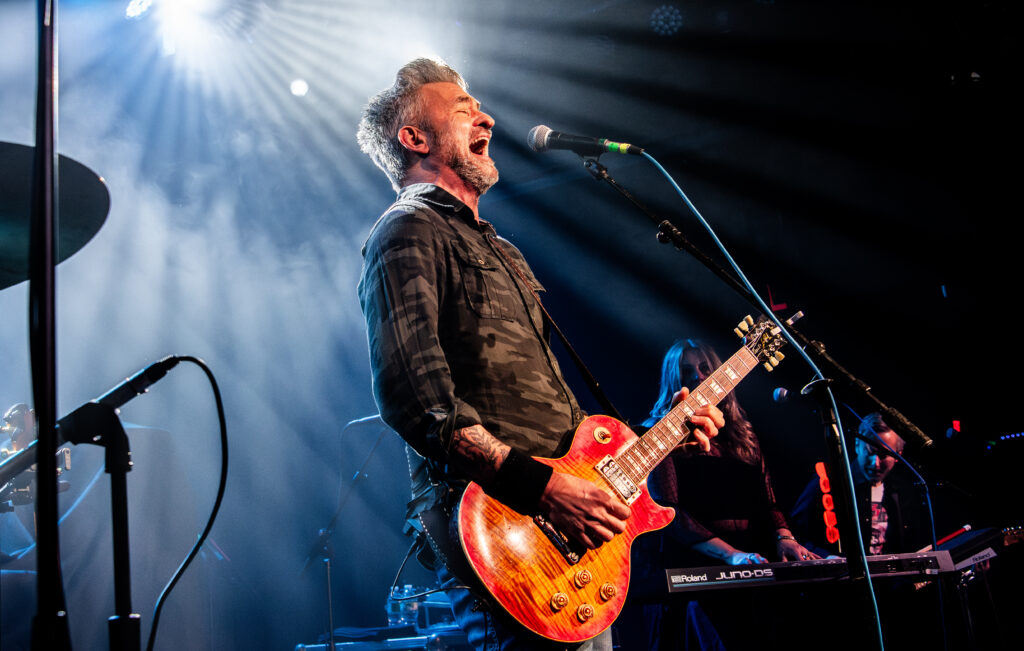
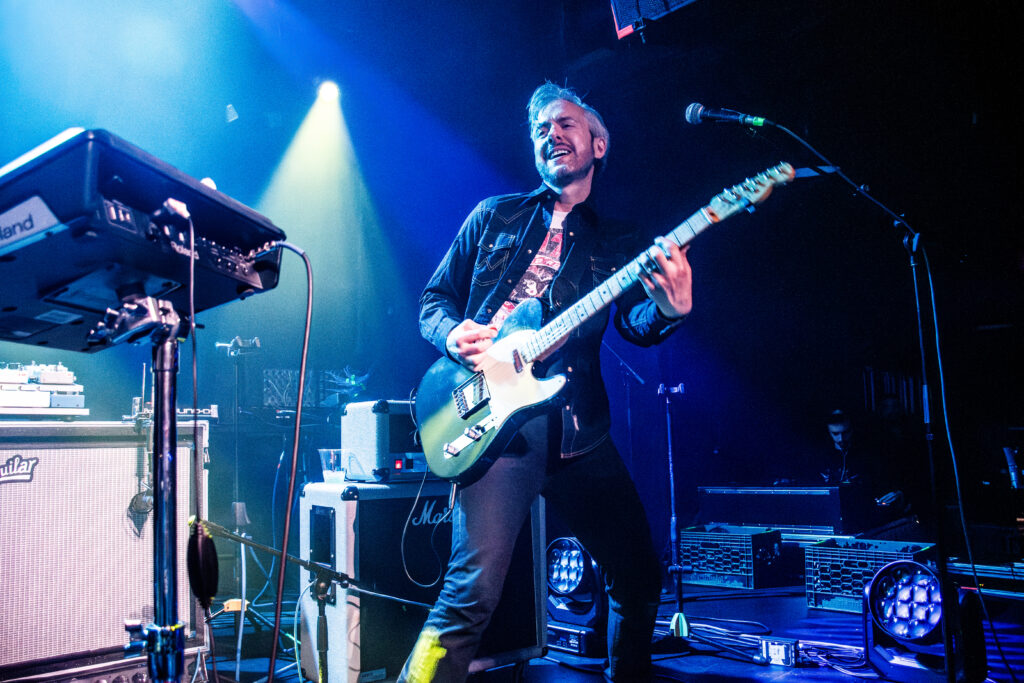
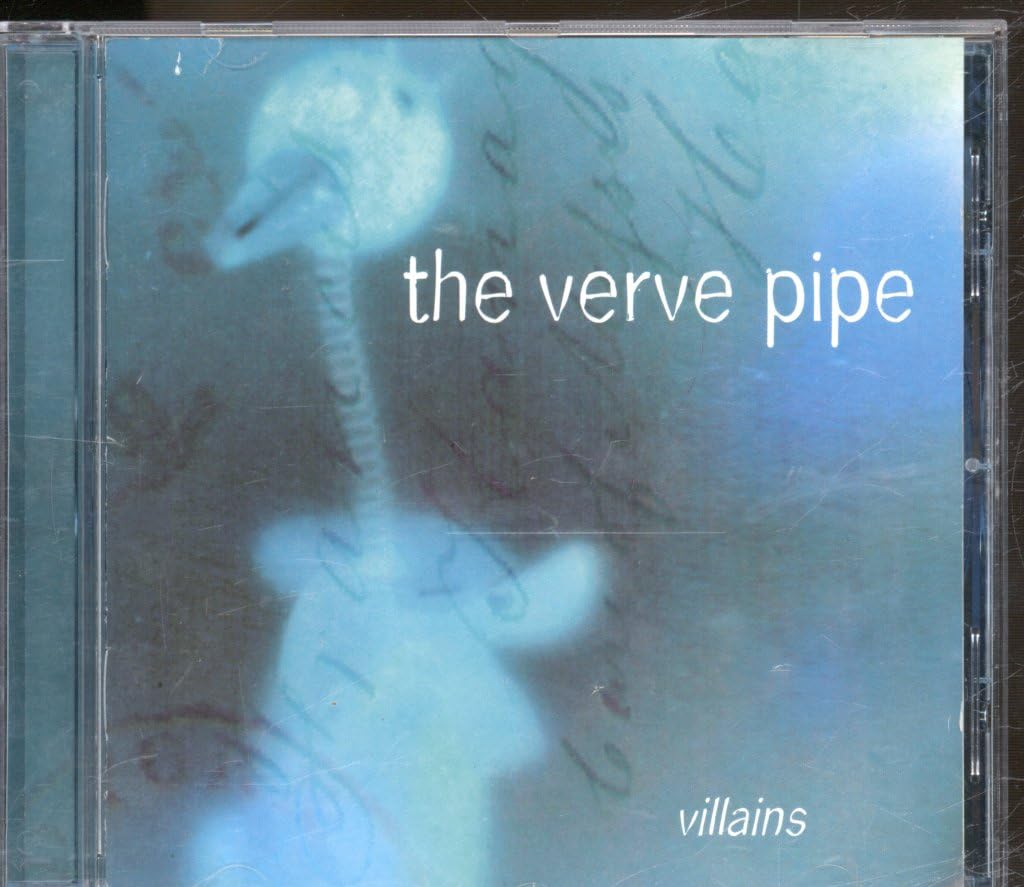
“Photograph” and “Cup of Tea” opened clean. “Villains,” from their 1996 record, still carries that mix of melody and edge, and “Dust” followed in the same pocket. “Colorful” (from Underneath) brought a more polished feel without losing momentum.
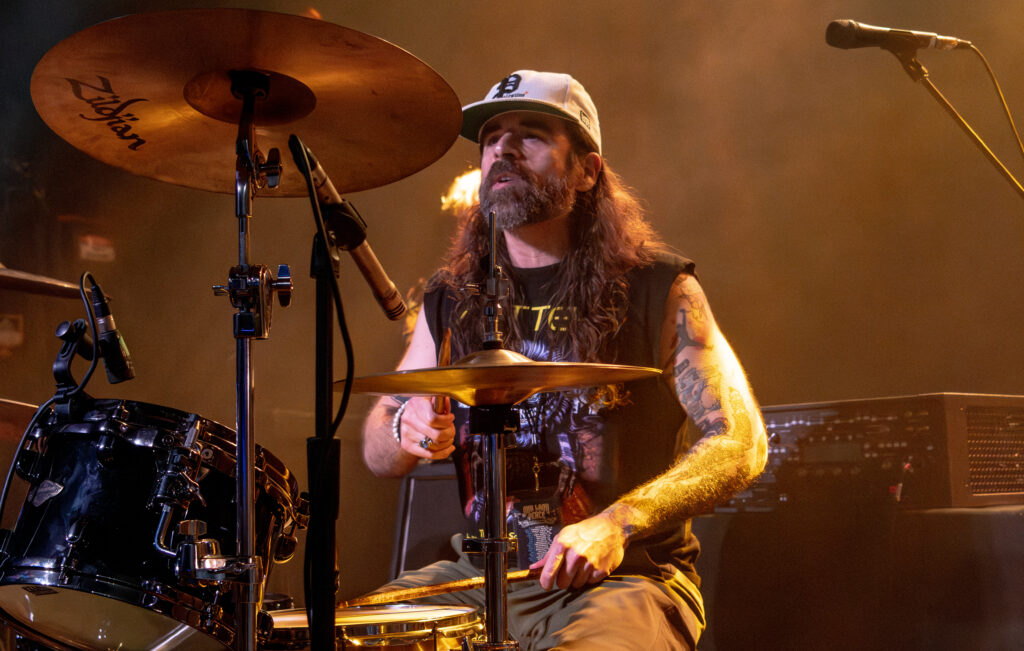
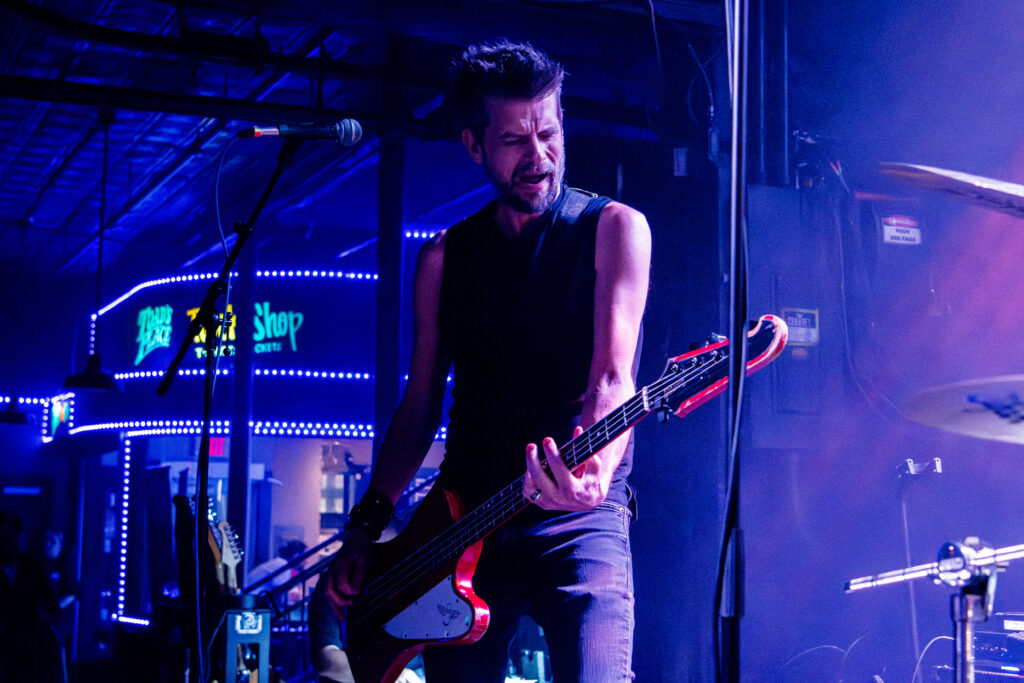
They mixed in “Medicate Myself” from the newer catalog, and it fit naturally alongside the older material.
“The Freshman” was the centerpiece. The band stepped back and let the crowd carry it—no instruments, full room singalong. That’s all it needed.
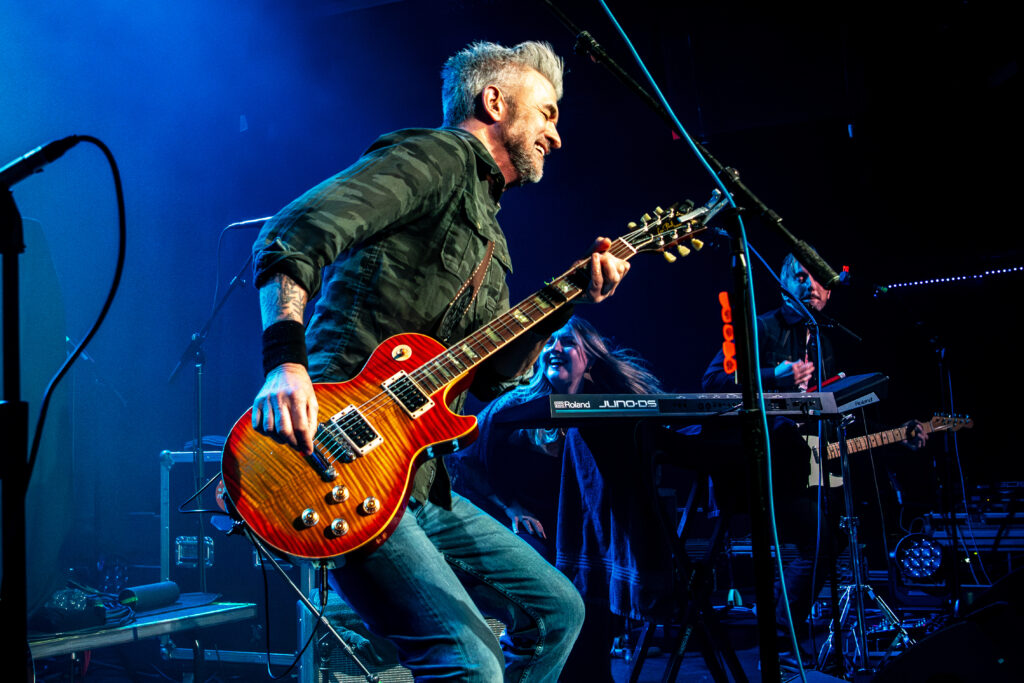
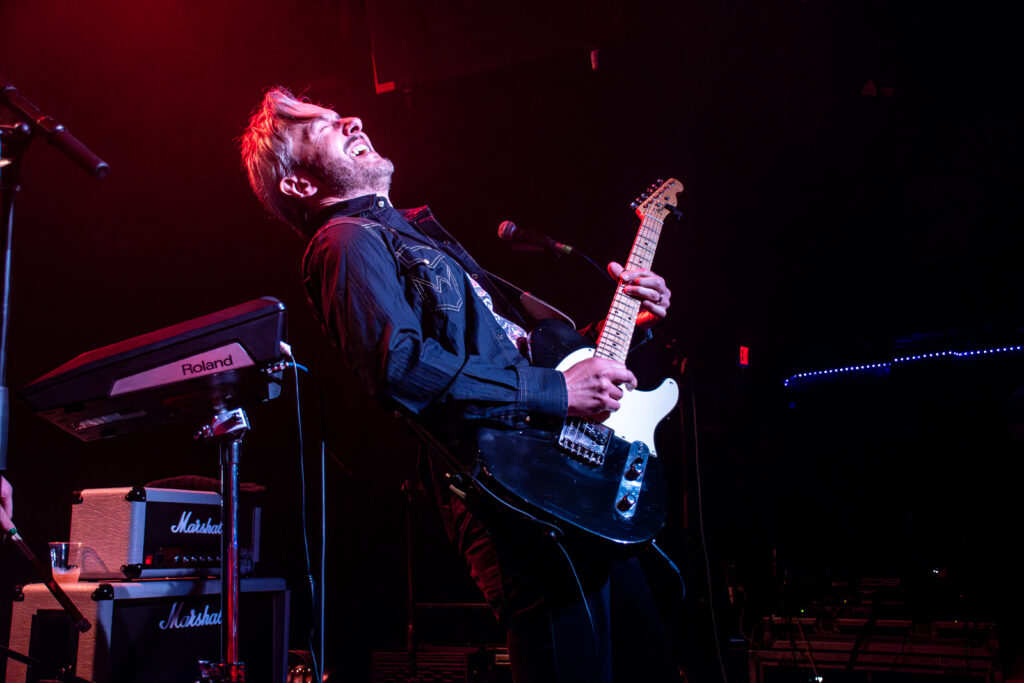
They closed with Soundgarden’s “Black Hole Sun”—a straightforward take that fit the tone of the night and captured the era.
And then right back to work—the band themselves carried the gear off the stage, out the door past the merch table, and right into the trucks parked on the street. No production layer. Old school.
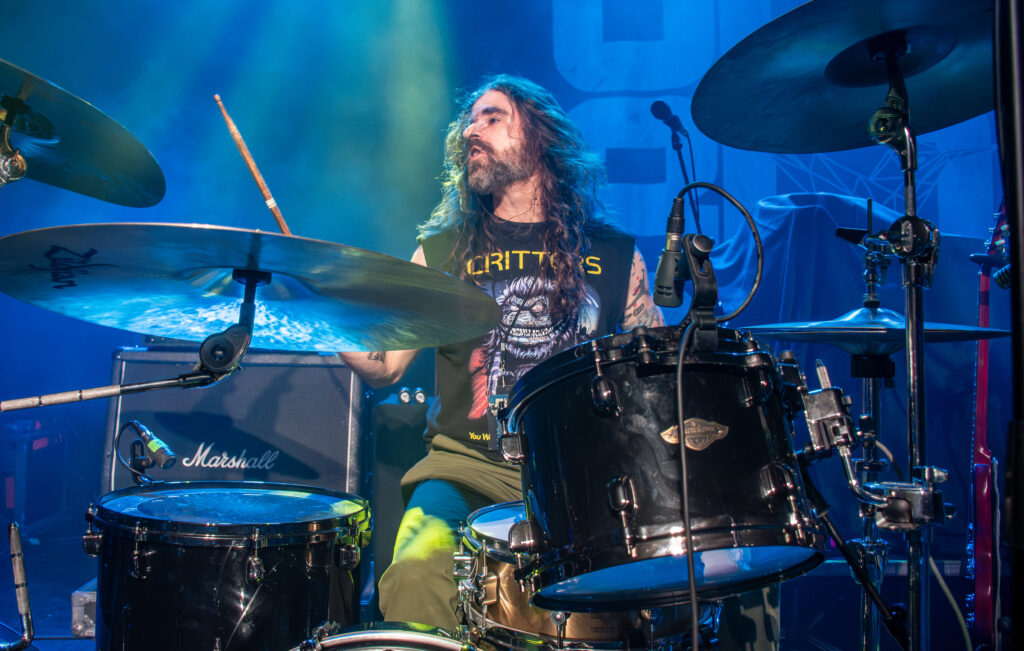

Our Lady Peace – Built on the Catalog
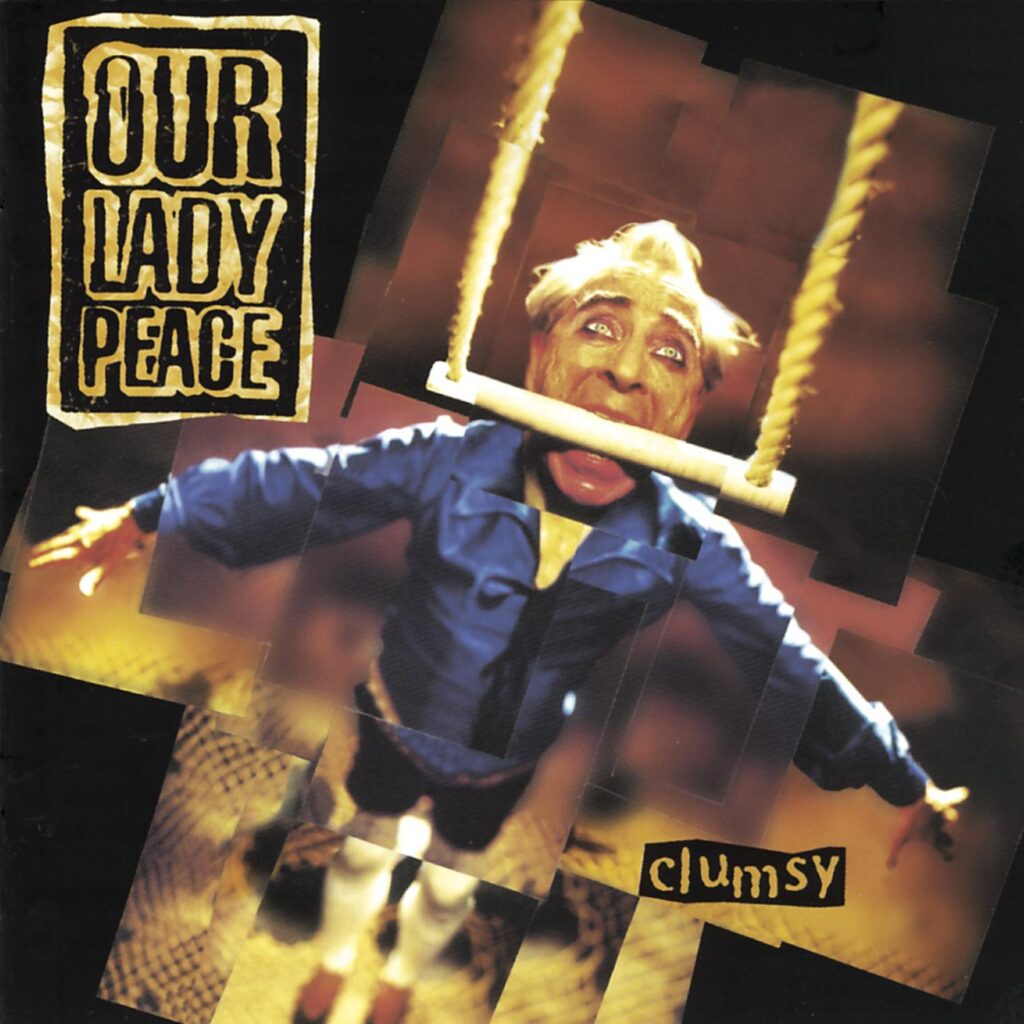
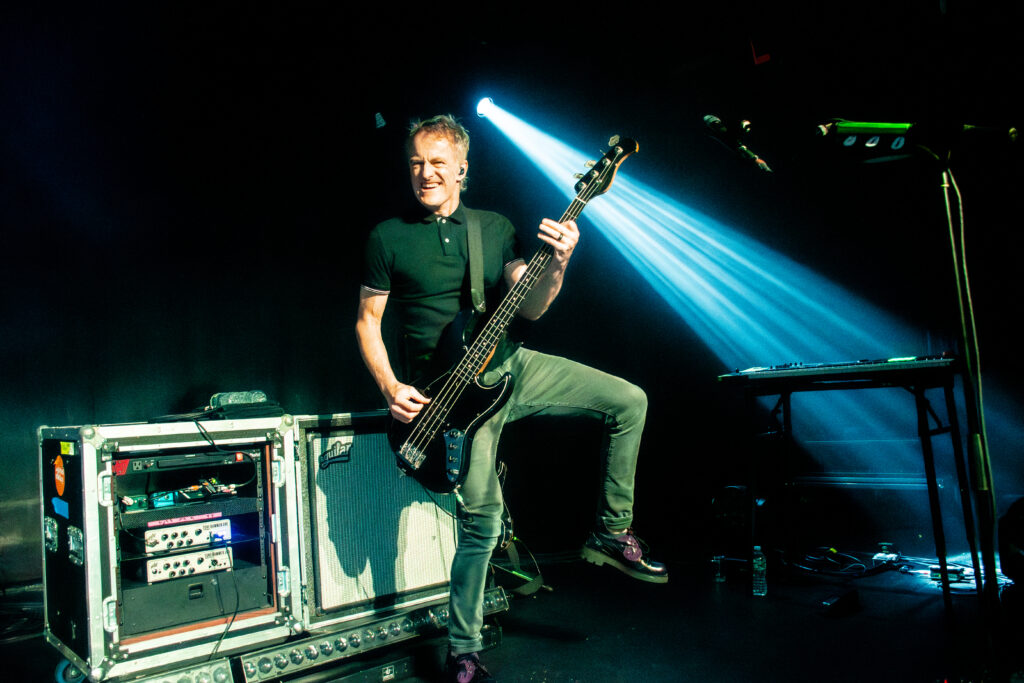
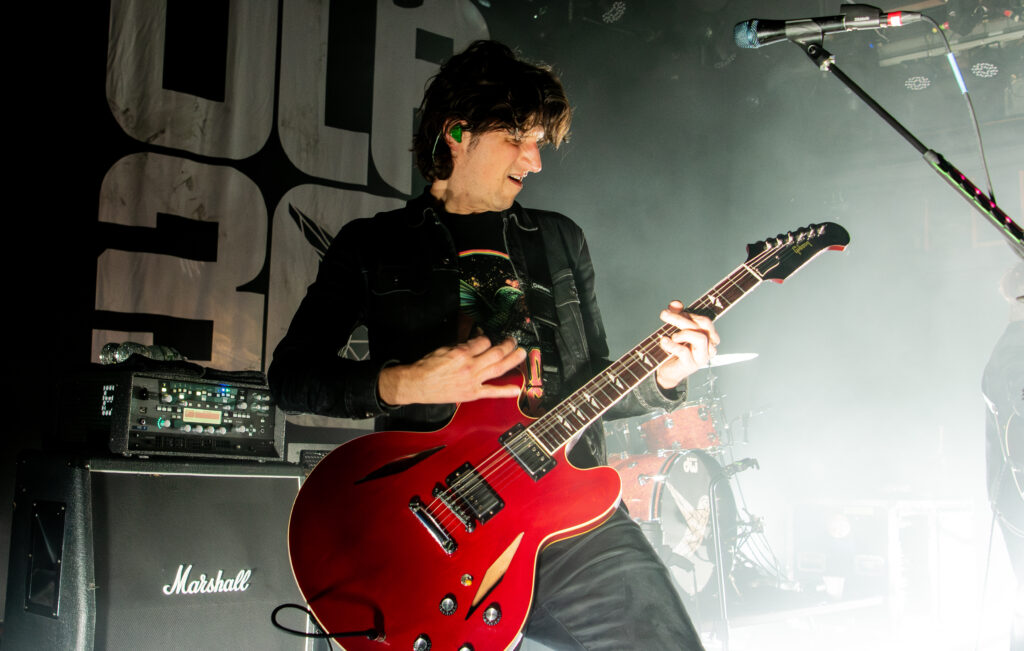
Our Lady Peace came in as part of their 30th Anniversary USA Tour, and the set reflected that. They leaned heavily on the core records—Naveed (1994), Clumsy (1997), and Happiness… Is Not a Fish That You Can Catch (1999)—while mixing in newer material without breaking the flow.
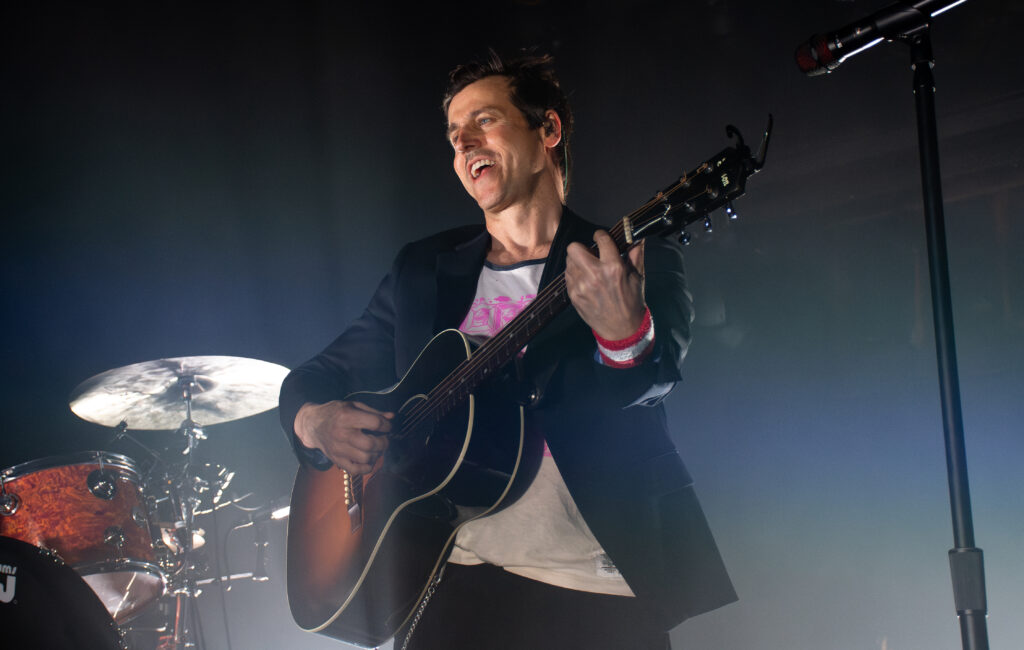
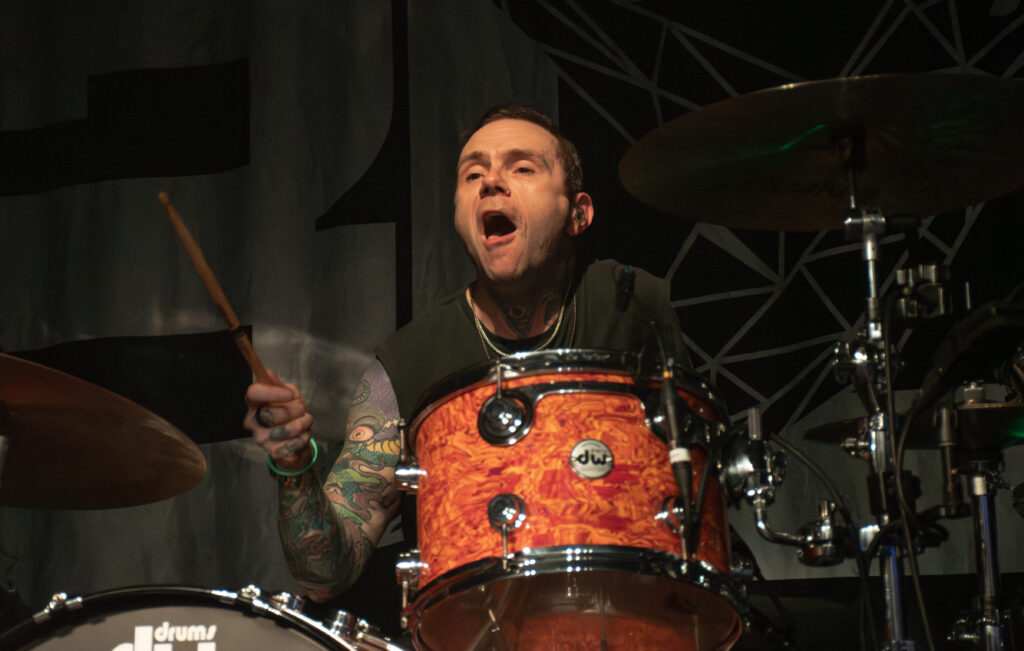
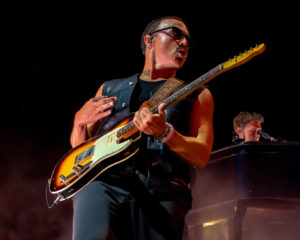
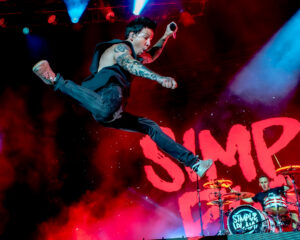
They opened with “Naveed,” still a strong way to start—dark, layered, and a reminder of where the band came from. The lighting early on was heavy on strobes, which is great for the room but rough when you’re trying to shoot the first three songs. It settled quickly after that.
“Superman’s Dead” and “Innocent” followed—both from Clumsy. Those songs still land because they’re built on simple, effective structures. Nothing overcomplicated, just solid writing.
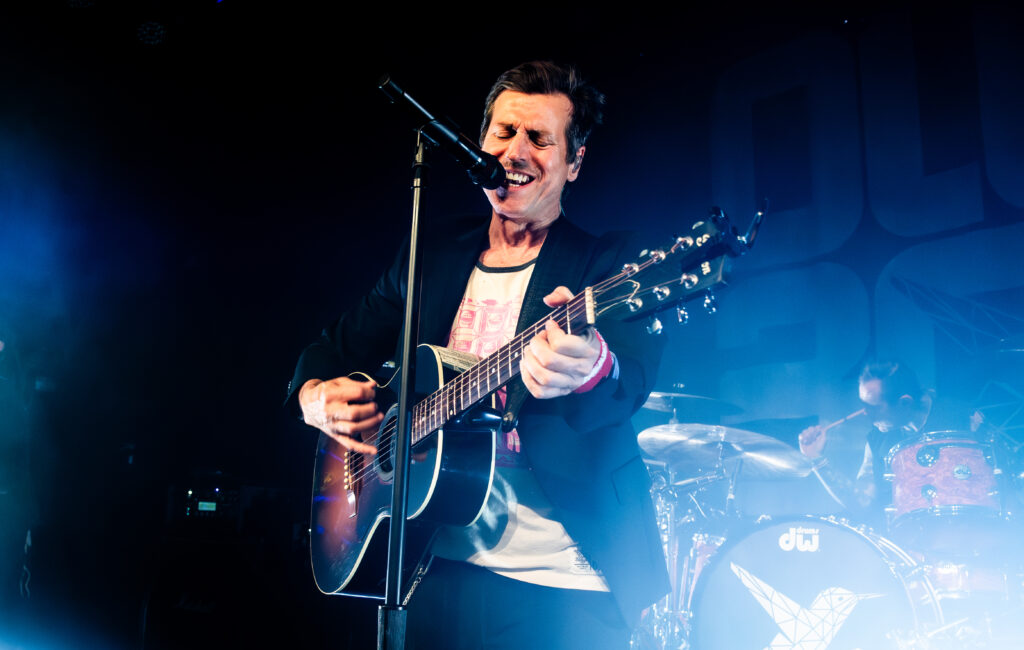
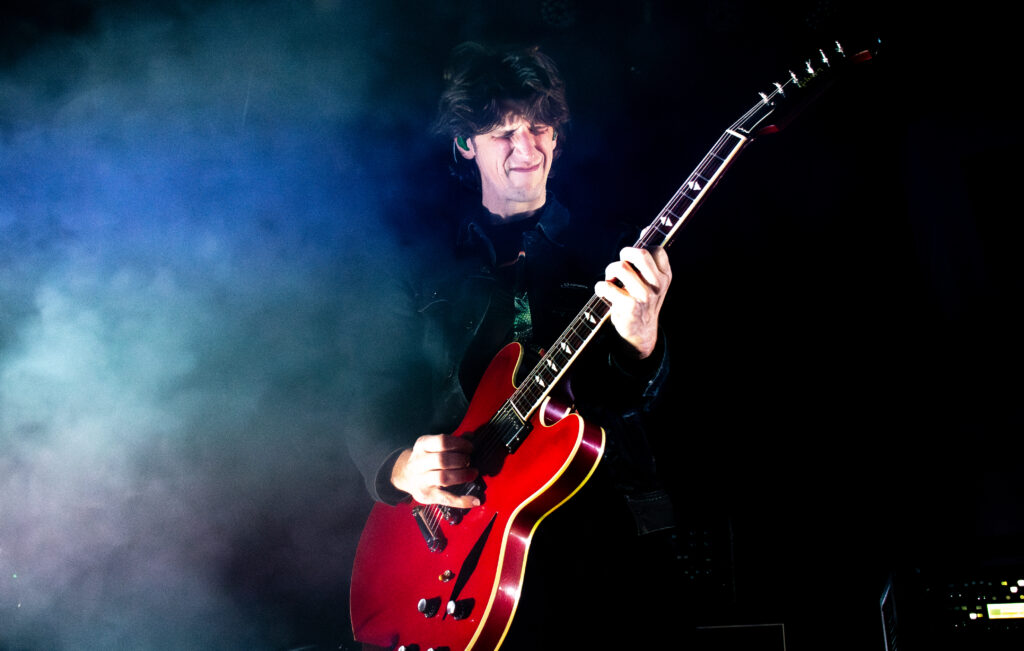
“One Man Army” and “Is Anyone Home” (from Happiness…) pushed things forward. “Is Anyone Home” turned into one of the loudest moments of the night—full crowd engagement without the band needing to force it.
Mid-set, they mixed in newer tracks like “Drop Me In The Water” and “Sound the Alarm.” These songs are more polished, but they sit well next to the older material. The band didn’t separate eras—they blended them.
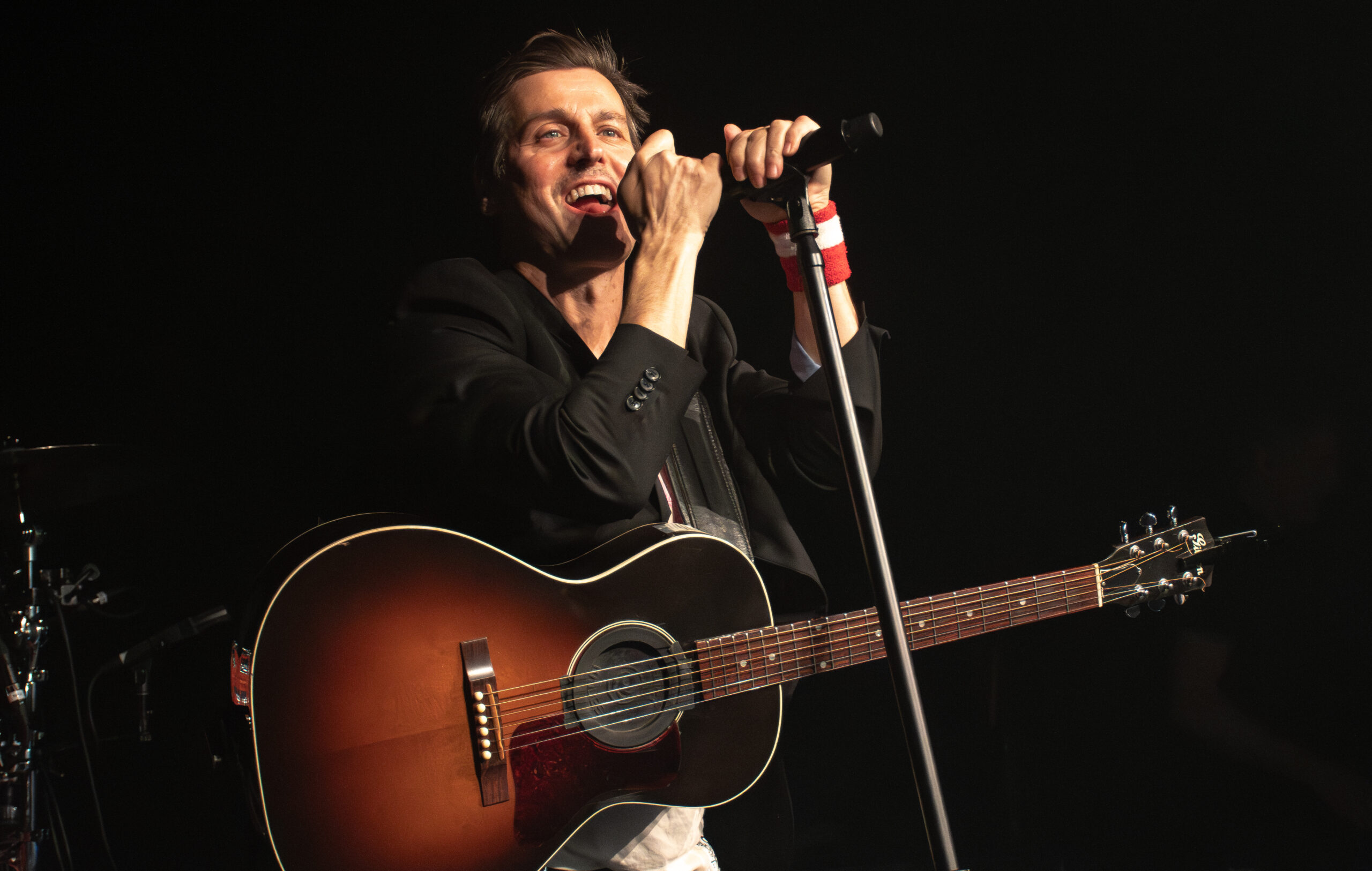
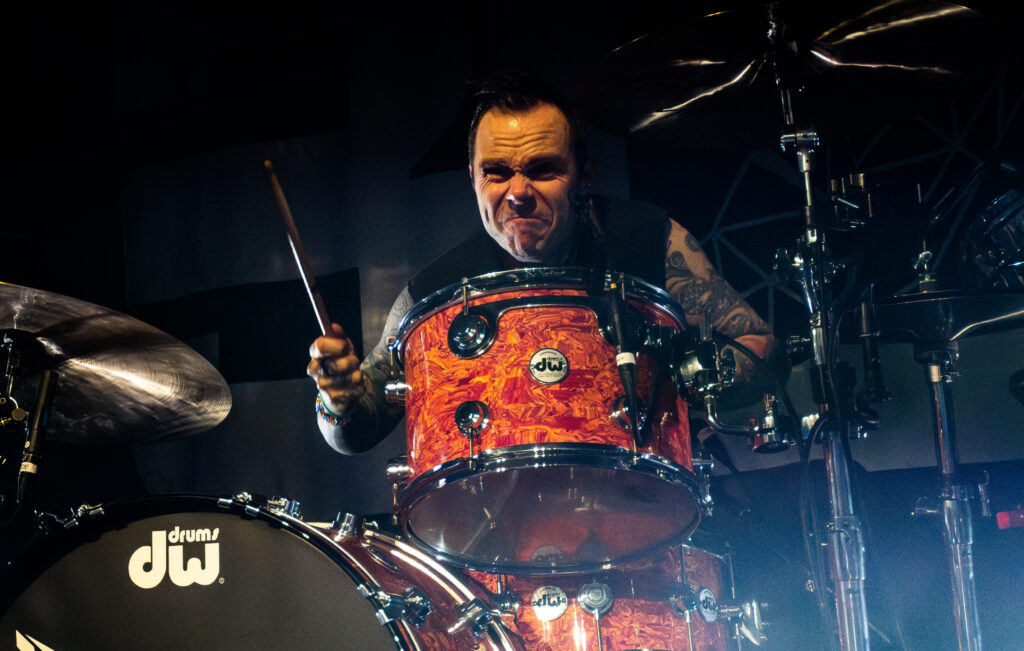
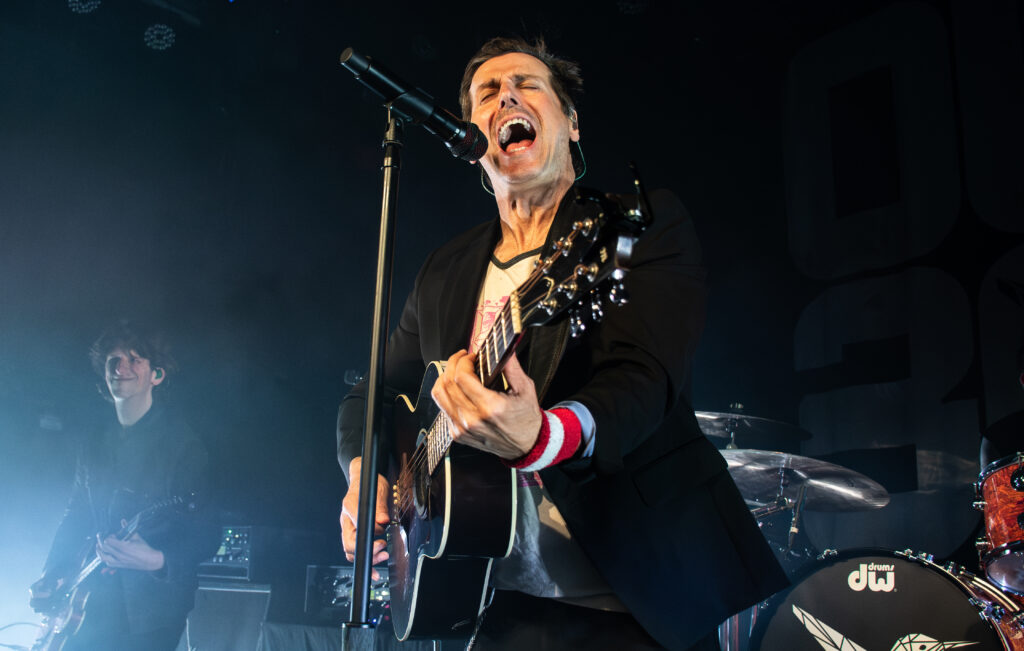
“Not Enough” (from Gravity, 2002) stood out. The drum break got a real reaction, and Raine Maida bringing out the megaphone added a raw edge that goes back to that late-90s/early-2000s style.
Context Matters
The intro to “Life” was one of the more grounded moments of the set. Maida talked about Duncan and his cancer battle, and how the meaning of the song changed over time. Originally written with a different intent, it now carries that experience with it.
Before “In Repair,” he referenced The Age of Spiritual Machines—not overexplained, just enough to frame the song differently.
Closing Stretch
The last part of the set was all core material.
“4am,” “Somewhere Out There,” and “Clumsy” are songs that defined the band, and they still hold up live.
The encore—“Bring Back The Sun,” “Whatever,” “Automatic Flowers,” and “Starseed”—dug deeper into the catalog. Ending on “Starseed” brought it full circle.
The Band Now
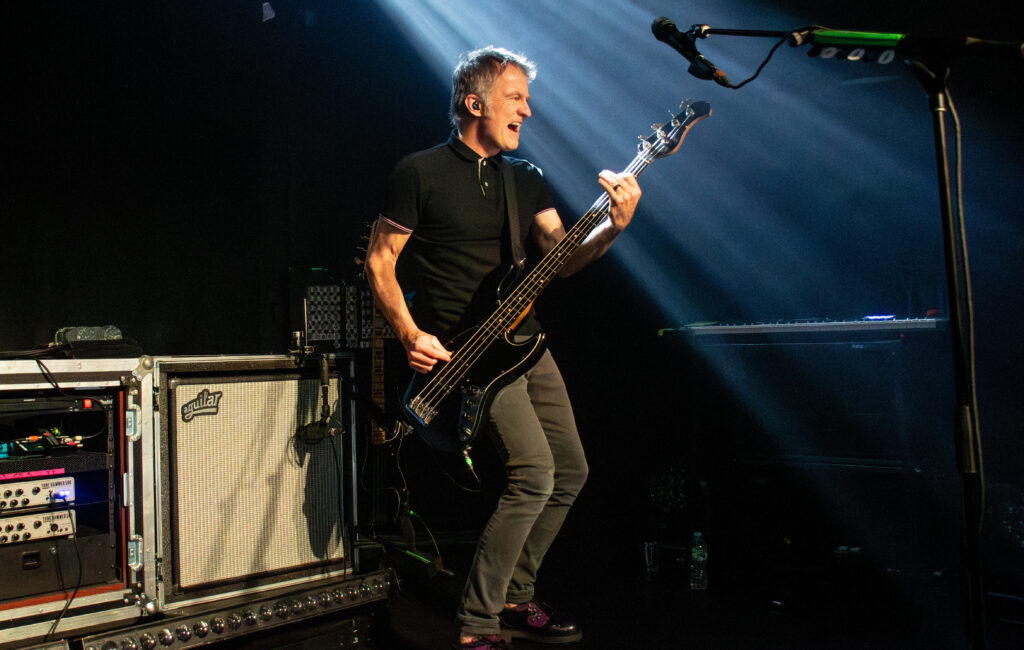
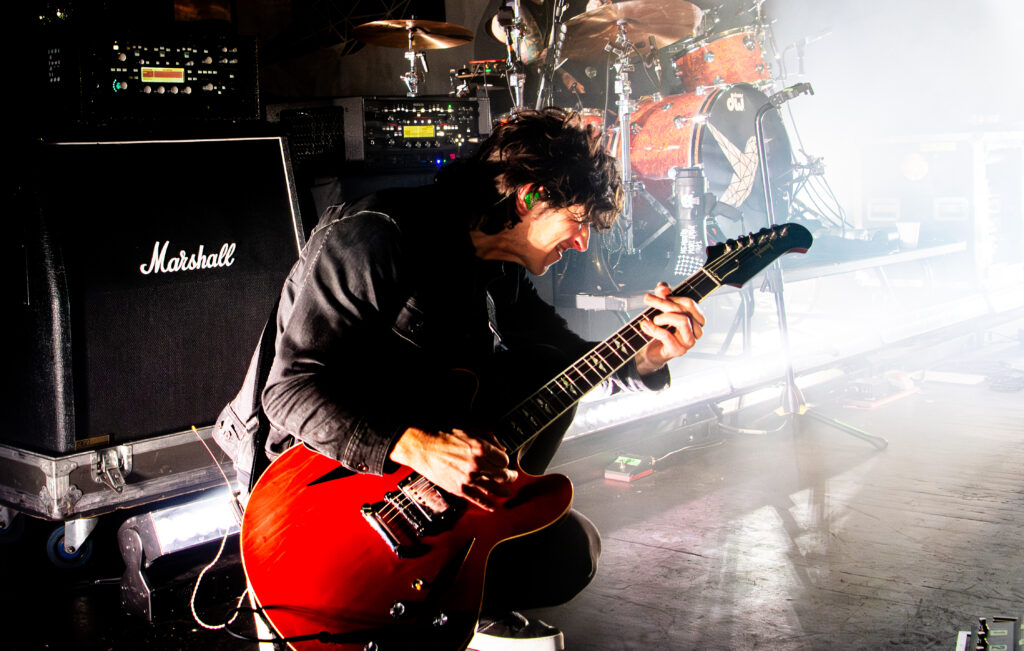
Our Lady Peace has long been one of the most respected bands to come out of Canada, and that hasn’t changed. Raine Maida still has that distinct vocal delivery, and the current touring lineup is tight and focused.
They’re not trying to recreate the 90s. They’re just playing the songs the way they were written.
Final Take
This wasn’t a throwback show—it just happened to feature bands from that era.
The songs still work. The crowd still responds. And the way the night was run—from the lineup to the load-out—felt like a continuation of how these shows have always been done.